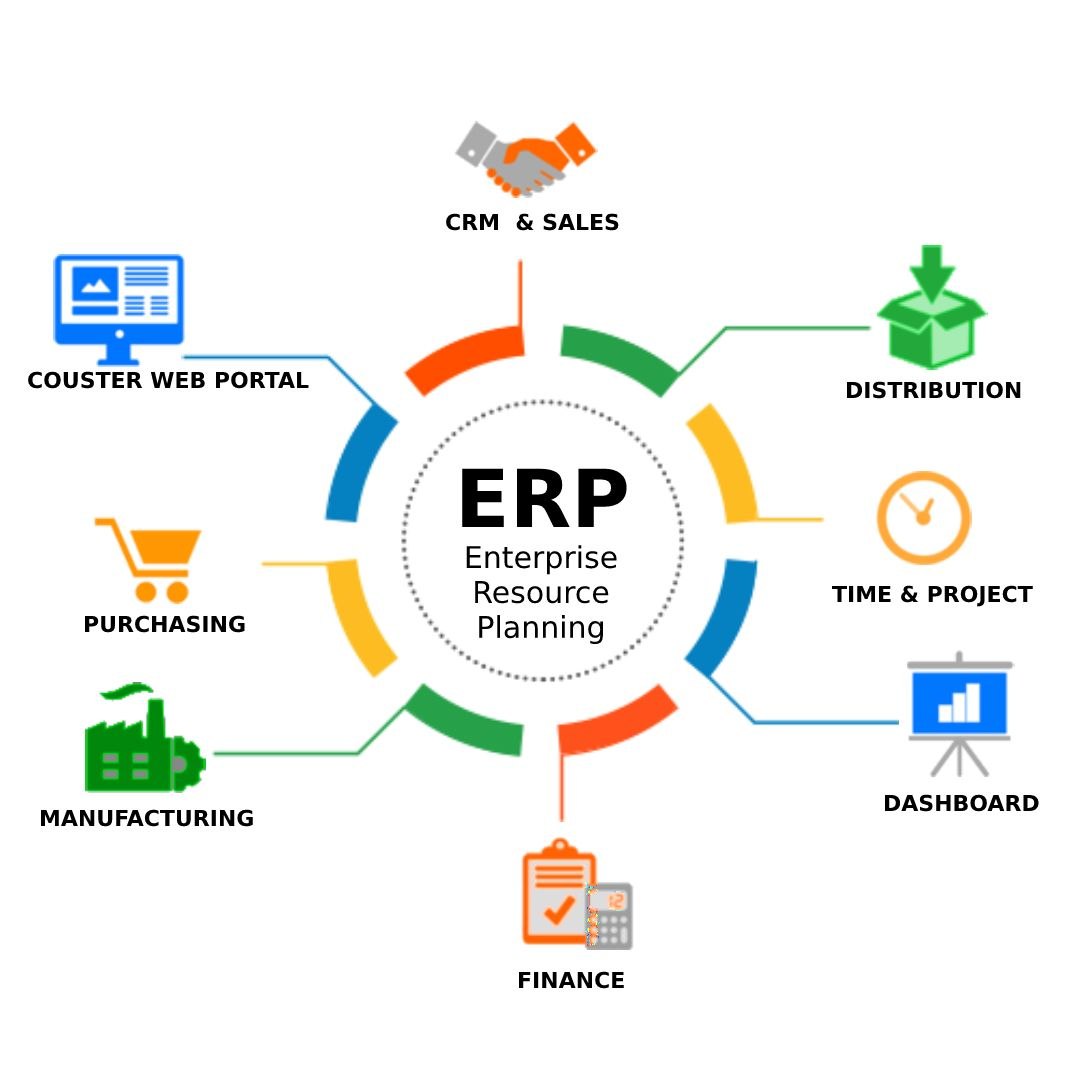
Financial management is the heartbeat of any organization. However, in many companies, it remains bogged down in paperwork and manual auditing, turning it into a time-and-effort-consuming burden. This is where the importance of the Accounting Module within Enterprise Resource Planning (ERP) systems emerges as a strategic tool to redefine financial concepts.
1. Integration and Automated Linking
The true value of an ERP system lies in its ability to eliminate isolated “data islands.” Once a sale or inventory movement is completed, the system automatically generates the corresponding accounting entries and posts them to the general ledger. This integration ensures data accuracy and completely eliminates the possibility of human error resulting from duplicate entry.
2. Real-time Control and Transparency
The system’s benefit is not limited to data recording; it extends to providing strict control over cash flows and financial custodies. A CFO can monitor the company’s financial position at any moment, allowing for proactive decision-making based on real-time, updated figures, rather than waiting until the end of the month or fiscal year.
3. Financial Reporting and Compliance
An ERP system cuts hundreds of hours previously spent preparing budgets and income statements. With a single click, the trial balance and all final reports are extracted with extreme precision, facilitating auditing processes and compliance with local and international accounting and tax standards.
Last but not least:
Transitioning to an advanced accounting module is not just a technical upgrade; it is an investment in the organization’s efficiency and its ability to grow and sustain in a market that recognizes only accurate figures and speed of execution.